Help customers choose the right room
Explain seating, layout and the equipment included with each room, so a quick interview and a team workshop are easy to distinguish.
A quick client meeting and an afternoon workshop need different amounts of room time. Give every meeting room its own schedule, and let organisers choose a space and duration without a chain of emails to reception.

Explain seating, layout and the equipment included with each room, so a quick interview and a team workshop are easy to distinguish.
Set hourly pricing and minimum and maximum booking durations. Ask organisers to include their own setup and packing time in the hire.
Use the room diary to answer availability enquiries and see which customers are arriving throughout the day.
Name each room and describe its seating, presentation facilities and layout. Set an hourly rate with minimum and maximum booking lengths, so a small meeting and a longer planning session can use the same room at different times.
View feature: Make the room and the hire terms clearPricing & booking
The organiser compares room descriptions and selects a space with the seating and facilities they need. Explain whether displays, whiteboards or refreshments are included or must be arranged separately.
They choose a duration within the room’s limits and an available start time. Clear arrival instructions help the group find the right entrance and finish within the reserved period.
The client reviews the selected service or space, date, time and price, then provides their contact details. Clear descriptions help them arrive knowing what they have booked and which location to visit.
When online payments are enabled, collect the deposit or full amount required by your booking settings. Your team can also handle payment from the calendar, including a payment link for a client who is arranging the visit with you.
Review the room, start time and length of each booking before opening. Use that schedule to plan your own room preparation and reception coverage.
When an organiser asks for another meeting, check the same room’s availability and arrange a new reservation. Keep special layouts and catering arrangements in your normal venue process.
Illustrative example
Example booking day
| Time | Booking |
|---|---|
| 09:00 | Interview room |
| 11:00 | Team meeting |
| 14:00 | Workshop room |
View room reservations side by side, with client names and booking times. Reception can check the boardroom and smaller meeting spaces together before arranging the next visit.
View feature: See which room is occupied and whenShare your booking page so customers can choose a room, select a duration and find an available start time. They can plan their meeting without waiting for your team to check the diary.
View feature: Let organisers find their own meeting timeManage room details within the appropriate branch and set each location’s opening hours. Review the relevant branch when a customer needs a room at a particular address.
View feature: Keep business centres organised by locationBring payment into the same workflow as the booking. Choose how you collect money for your services or space hire, and explain the payment arrangements before the client commits.
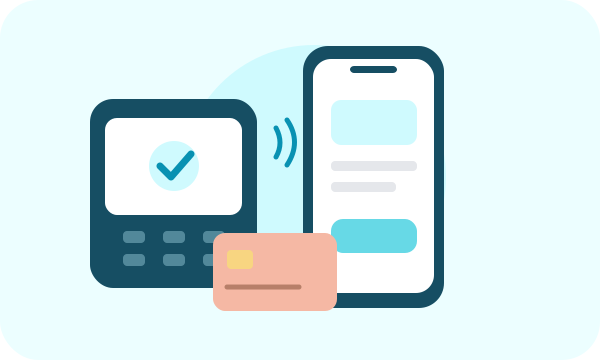
Let clients pay a deposit or the full booking amount through your online booking portal. State what the payment covers so clients understand the amount they are paying before their visit.
Use a supported Stripe Terminal smart reader to collect an in-person card payment for a booking. Reader availability depends on your country and Stripe setup; see the device guide before buying hardware.
Show a payment QR code for the client to scan, or send the payment link by SMS or email. The client opens checkout on their own device, making it useful both at reception and when arranging payment before arrival.
Start with the bookings you handle most often. A clear menu and realistic availability help clients make the right choice and give your team a consistent place to manage requests.
Review the client-facing names, descriptions, location, available times and payment settings. Share the booking link from your website and customer communications, and keep the details up to date as your offering changes.
Yes. Set the room’s hourly rate and the price follows the reservation length. Minimum and maximum durations control the range of booking lengths you offer.
Yes. Use the room description to explain seating, screens, whiteboards or other facilities included in the hire. Keep the description specific to that room so organisers know what to expect.
Yes. Customers choose a duration within the minimum and maximum limits you configure for the room, then select an available start time.
Describe included facilities clearly. Coordinate catering, equipment requests and room layouts through your venue team; the room reservation itself does not promise those additional arrangements.
Yes. Share your room booking page so customers can select a space, choose a duration within its limits and find an available start time. Write clear room descriptions and arrival information so customers know what the hire includes.
Configure online booking payments to collect a deposit or full amount where offered. Staff can also collect booking payments through the calendar using payment links, a QR checkout page or a supported Stripe Terminal reader. State the hire conditions and what the payment includes before the customer books.
Build your service or space menu, set your availability, and give clients a clear way to book. Start with your everyday workflow and expand as your business grows.