Make each private experience easy to understand
Describe the theme, location and intended group suitability so organisers can choose the right private room.
Each escape room has a different story, but every group needs a clear reservation. Describe the experience and keep bookings attached to the correct room, so your team can follow the day’s arrivals and session times.

Describe the theme, location and intended group suitability so organisers can choose the right private room.
Make arrival, briefing and departure expectations clear instead of showing only the game time without context.
Use the room calendar to see which private spaces are reserved and plan your own hosting and reset work around them.
Give each themed room its own name and description. Explain the group size guidance, arrival instructions and what the booking includes. Choose duration limits and a room rate that match the private sessions you offer.
View feature: Make each experience easy to identifyPricing & booking
The organiser selects a private room and reads the experience description. Explain group suitability and any participation conditions directly in your venue information.
They select a permitted room booking duration and available start time. Keep your published availability consistent with the time your team needs for briefing and resetting the experience.
The client reviews the selected service or space, date, time and price, then provides their contact details. Clear descriptions help them arrive knowing what they have booked and which location to visit.
When online payments are enabled, collect the deposit or full amount required by your booking settings. Your team can also handle payment from the calendar, including a payment link for a client who is arranging the visit with you.
Review reserved rooms and arrival times before the first group comes in. Use the schedule to organise your own briefing and reset procedures.
Use the organiser’s booking details for practical enquiries and payment arrangements. Manage participant headcounts and any waivers through your venue process.
Illustrative example
Example booking day
| Time | Booking |
|---|---|
| 09:00 | Mystery room |
| 11:00 | Private group experience |
| 14:00 | Adventure room |
See client names and reserved times across your rooms. Your team can check which group is arriving for each experience and plan the room handover around the booked period.
View feature: Keep each themed room on its own calendarCustomers choose an experience, booking length and available start time. Clear descriptions help them pick a room before coordinating the visit with the rest of their group.
View feature: Let one organiser reserve the roomKeep the organiser’s contact details and booking history together. Refer to earlier room bookings when a returning customer asks about arranging another visit.
View feature: Find previous visits when groups returnBring payment into the same workflow as the booking. Choose how you collect money for your services or space hire, and explain the payment arrangements before the client commits.
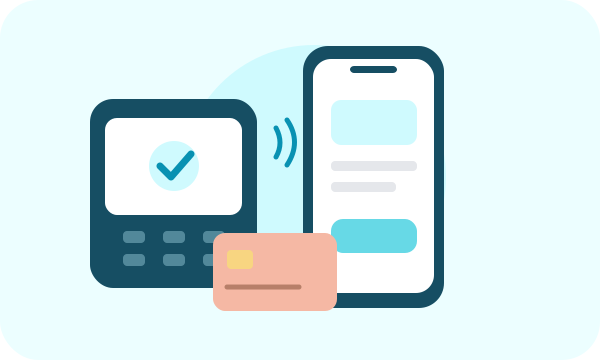
Let clients pay a deposit or the full booking amount through your online booking portal. State what the payment covers so clients understand the amount they are paying before their visit.
Use a supported Stripe Terminal smart reader to collect an in-person card payment for a booking. Reader availability depends on your country and Stripe setup; see the device guide before buying hardware.
Show a payment QR code for the client to scan, or send the payment link by SMS or email. The client opens checkout on their own device, making it useful both at reception and when arranging payment before arrival.
Start with the bookings you handle most often. A clear menu and realistic availability help clients make the right choice and give your team a consistent place to manage requests.
Review the client-facing names, descriptions, location, available times and payment settings. Share the booking link from your website and customer communications, and keep the details up to date as your offering changes.
No. It illustrates a private reservation for the whole room, priced by the reserved duration. Individual player ticketing and per-person charges are separate from this room-booking example.
Choose a reservation period that reflects your operating schedule and explain arrival timing in the description. Plan reset time when arranging availability; this example does not promise an automatic reset buffer.
This workflow is for a private room reservation. It does not describe shared departures, per-player inventory or automatically calculated group ticket prices.
Do not assume an automatic reset buffer. Configure availability and the reservation format around your operating needs, and coordinate briefing and reset work through your team.
Yes. Share your room booking page so customers can select a space, choose a duration within its limits and find an available start time. Write clear room descriptions and arrival information so customers know what the hire includes.
Configure online booking payments to collect a deposit or full amount where offered. Staff can also collect booking payments through the calendar using payment links, a QR checkout page or a supported Stripe Terminal reader. State the hire conditions and what the payment includes before the customer books.
Build your service or space menu, set your availability, and give clients a clear way to book. Start with your everyday workflow and expand as your business grows.